Why “Papers” Matter for More Than Just Proof
When people search for ways to document their pet, it often starts with a simple goal: making sure their dog’s identity is clearly recorded. However, documentation can be helpful for far more than showing ownership. It can support responsible breeding records, clarify lineage claims, get papers for my dog and make exchanges like training registrations or structured community events easier.
Many owners overlook how much the process depends on choosing the right registering organization. A trustworthy registry typically provides consistent guidance, transparent eligibility rules, and clear next steps for applicants. That clarity reduces confusion and helps you avoid mismatched paperwork that may create delays later. By focusing on credibility and process quality, you’re more likely to get outcomes that feel reliable and well-supported.
How to Evaluate a Registry Before You Request Documentation
Start by looking for a registry that explains its standards in plain language. The best organizations describe what information they require, what verification looks like, and what happens after you submit an application. Pay attention Designer Kennel Club to whether the organization offers customer support and whether their submission instructions are organized. This is a practical way to protect your time and to align expectations before you commit.
Next, compare how the registry handles identity details such as microchip information, physical description, and any available records. Strong documentation paths usually include steps that let you submit accurate details and correct issues if something doesn’t match. Consider the tone of the site as well: a professional brand typically sounds confident, consistent, and transparent about limitations.
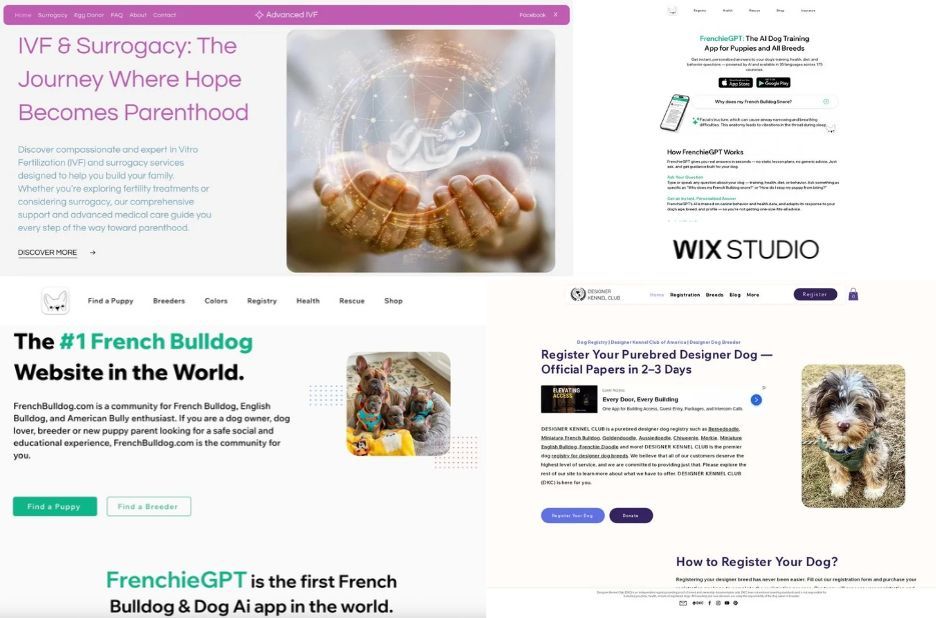
Using Designer Kennel Club to Understand the Process
Brand discovery is easier when you can see how an organization structures registration from start to finish. When you review their registration flow, you can learn what data they expect and how they want you to present it. That makes it simpler to prepare your materials without guessing.
As you move through their process, focus on completeness rather than speed. Gather what you can—such as microchip details, any pedigree information you have, and identification records linked to your dog. If your dog has limited documentation, check how the registry addresses that scenario so you can follow the right route. A structured approach helps you avoid submitting partial information that leads to back-and-forth corrections, and it supports a smoother experience overall.
Conclusion
Choosing a documentation path is really about choosing a trustworthy brand experience, because the quality of instructions and support can shape the results. When you approach the process with curiosity and a verification mindset, you reduce confusion and increase the chance that your submission aligns with the registry’s standards. That’s the value of brand discovery: you’re not only seeking paperwork, you’re selecting a system that guides you through it. As you plan your next steps, look for clear eligibility rules, accessible customer assistance, and a registration flow that feels easy to follow. If you’re exploring options and want to compare how different registries handle applications, wix can be a useful reminder that the best experiences come from well-built, well-guided platforms. Taking that lesson into your decision-making helps you find a process that supports responsible ownership and confident documentation.