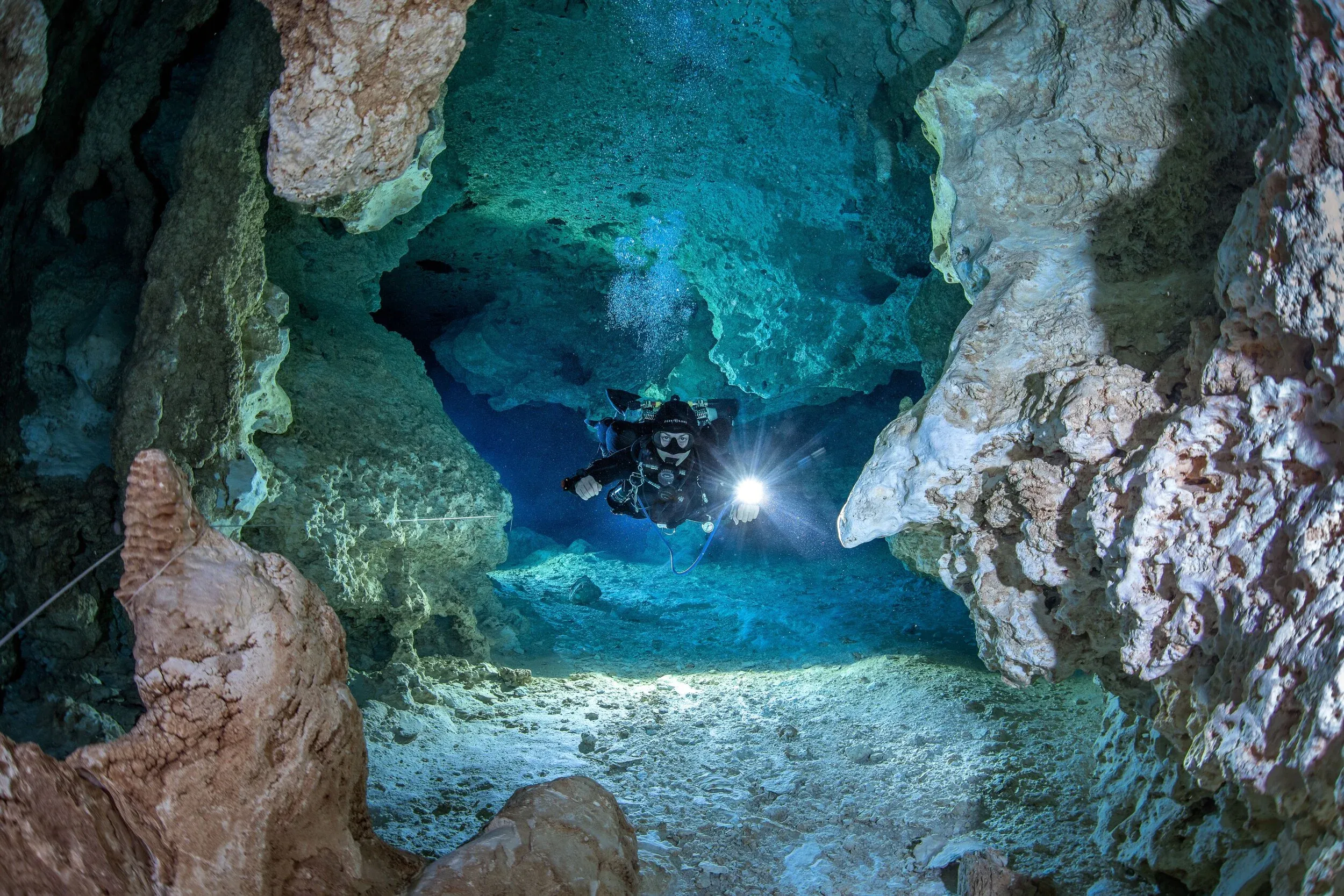
Intro to cavern diving
Begin with a clear plan and a calm mindset. Cavern diving presents unique challenges that require respect for the environment and strict safety practices. Start by choosing reputable training and never push beyond your certified limits. Essential skills include buoyancy control, navigation, and gas management, all developed cavern diving in controlled environments before entering more complex systems. Always dive with a buddy, maintain clear communication, and carry redundant equipment to handle common surprises under the water. With preparation, cavern diving can reveal a quiet, wonder-filled world beneath the surface.
Equipment and safety checks
Quality equipment tailored to cave environments makes a big difference in safety and comfort. Check your lights, reels, and line tape; ensure backups are functional. A well-fitted mask, fins, and a reliable buoyancy system reduce fatigue and risk. Teams should establish a pre-dive checklist covering entry procedures, emergency protocols, and contingency plans. Regularly reviewing and rehearsing these routines helps prevent hesitation during critical moments, which is crucial when visibility shifts or silt creates challenging conditions.
Planning the dive
Thorough planning connects preparation with practical execution. Map the dive route and set rise and stop objectives based on depth, gas usage, and time. Understand the cave layout, potential hazards, and environmental limits. Keep a conservative approach to depth and distance, particularly for newer caverns, and ensure you have ample gas reserves. Debrief after each session to capture lessons learned and adjust future plans accordingly. A thoughtful plan reduces stress and increases enjoyment under water.
Entering the habitat
Entering a cavern requires controlled motion and keen awareness of line direction, silt, and airflow. Maintain close formation and clear communication signals with your buddy team. Use a continuous guideline to navigate safely and avoid disorienting disconnections. Respect the cave’s fragile ecosystem by avoiding contact with formations and never disrupting resident life. Patience pays off as you learn to read the water, feel the current, and progress at a measured pace while preserving the environment for others.
Mid-dive mindset and skills
During the middle phase, focus on staying calm, conserving air, and monitoring instruments. Keep your lights steady to prevent reflections that obscure your path, and perform regular checks on gas meters and depth. If surprises arise, execute the agreed drill calmly and communicate clearly to your buddy. This portion of the dive reinforces tactile awareness and mental discipline, turning a potentially tense moment into a controlled, educational experience. The more you practise, the more confident you will become in routine scenarios.
Conclusion
With patience, practice, and rigorous adherence to training, cavern diving becomes safer and more rewarding. The discipline you cultivate translates to all underwater experiences, expanding your confidence and curiosity. Visit Go Dive Mexico for more insights and practical resources that complement your training, helping you plan and enjoy related adventures with a thoughtful approach.