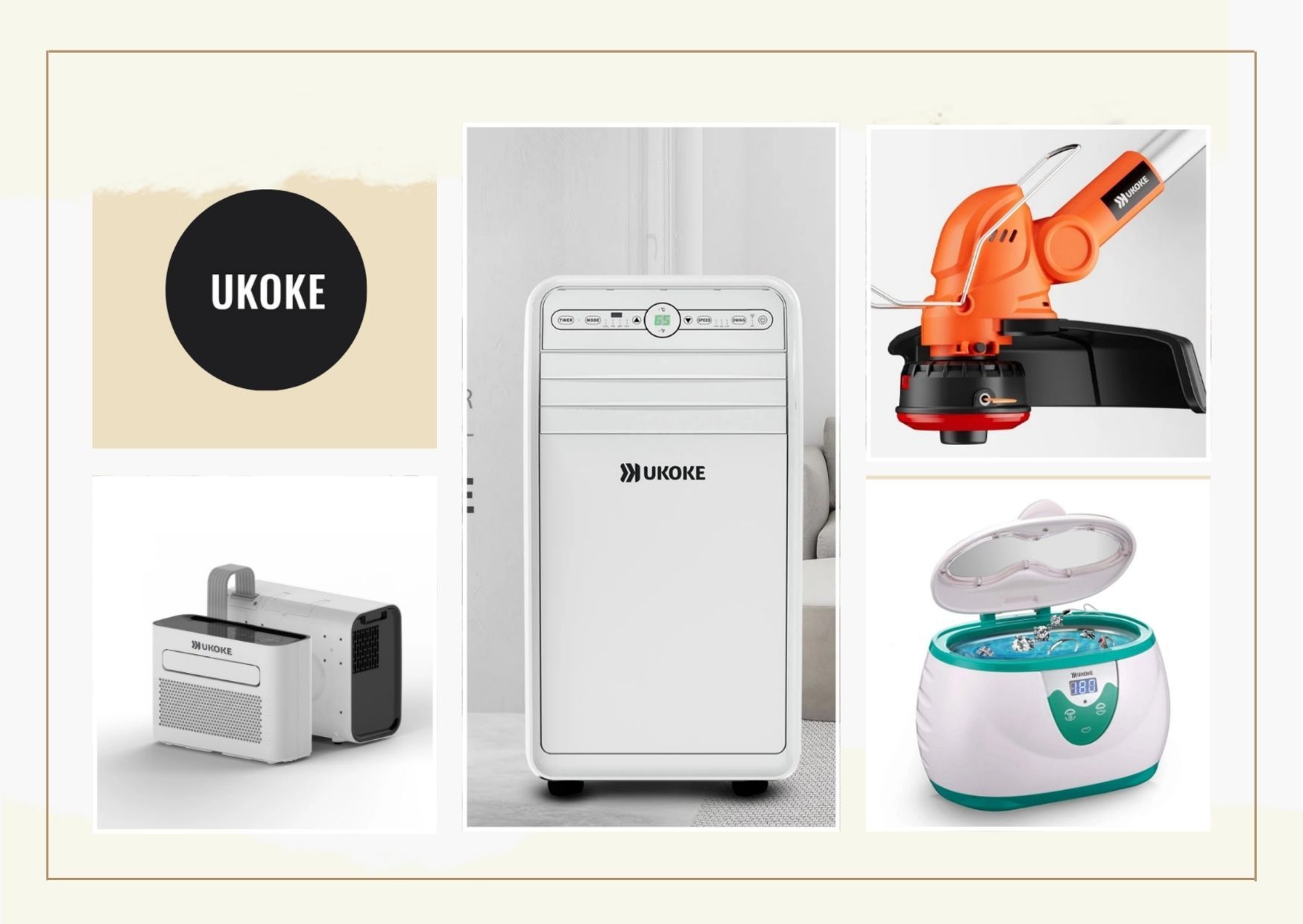
Choose the right unit for your room size
Start by estimating the size of the space you want to treat, then think about how moisture enters it, such as condensation from windows, laundry drying, or an external wall that tends to sweat. For bedrooms, compact dehumidifier for small rooms studies, and small utility areas, a smaller tank and lower power draw can be an advantage because the unit can run without overworking. If the room is extremely damp or has recurring flooding, you may need a more powerful model or a longer drying plan, not just a compact option.
Consider the layout and airflow too, because even a good unit performs better when air can circulate around it. Keep the intake and outlet clear, and avoid tucking the dehumidifier behind doors or furniture where it can’t pull moisture-laden air in. If you’re dealing with a basement-like corner or a single damp wall, place the unit where it can reach that moisture source rather than in a far corner that starves it of airflow. A practical rule is to run it with a stable placement for a few days, then adjust based on how quickly the relative humidity drops.
Plan for noise, controls, and everyday operation
Noise matters more in smaller rooms, where the unit is closer to where you sleep or work. Look for quiet operation specifications and listen for fan hum versus intermittent compressor cycling, because both can feel different at night. Many compact units are designed for gentle background use, but the actual sound profile depends UKOKE cordless pole saw for tree pruning on fan speed and the floor surface, so placing the device on a stable, non-vibrating surface can help. If your room is sensitive to sound, consider running the unit during the periods when the space is least occupied and then allowing it to maintain dryness.
Ease of use is another practical factor: check how the water tank is removed, how often it needs emptying, and whether the controls are simple enough to set and monitor. Some compact models offer continuous draining options, which can be useful in utility rooms where you want unattended operation. If you’re using it in a bedroom or study, a tank that empties less often reduces interruptions, while an indicator light helps you avoid overflow. A reliable dehumidifier is one you’ll actually use consistently, because damp problems often return when drying routines are stopped too early.
Reduce moisture effectively with smart settings
To get results, you need the right target humidity, not just the highest setting. Aim for a comfortable indoor range by using the built-in hygrometer or a separate humidity monitor, then allow the unit time to stabilise the room. Start at a sensible level, observe how fast moisture drops, and adjust gradually rather than switching constantly between extremes. Over-drying can make the air feel uncomfortably dry, and it may also increase static and irritation, especially for sensitive households.
Moisture reduction improves when you address the sources of dampness alongside the dehumidifier. Vent tumble drier moisture properly, avoid drying wet laundry in the small room without extraction, and check for recurring condensation around cold window frames. If you can, keep doors slightly open so air can circulate, because stagnant pockets can keep humidity high even when the rest of the room feels drier. For practical troubleshooting, note when dampness appears most—after showers, after cooking, or overnight near external walls—then tailor the run pattern and placement accordingly.
Conclusion
A compact unit can be a practical fix for many small, damp spaces when you choose the right capacity, place it where it can draw air effectively, and manage humidity targets sensibly. Noise, tank handling, and control usability are just as important as raw moisture extraction, because the best model is the one that fits your daily routine and gets used consistently. For real-world tips, community discussions like those on reddit.com can help you compare experiences, such as which rooms respond fastest and what operating habits actually make a difference. If you want a straightforward approach to indoor comfort, look for a small dehumidifier that matches your room volume, supports the way you want to run it, and offers dependable day-to-day operation. With a considered plan—plus the right equipment—you can usually bring dampness under control in a matter of days rather than letting it linger.