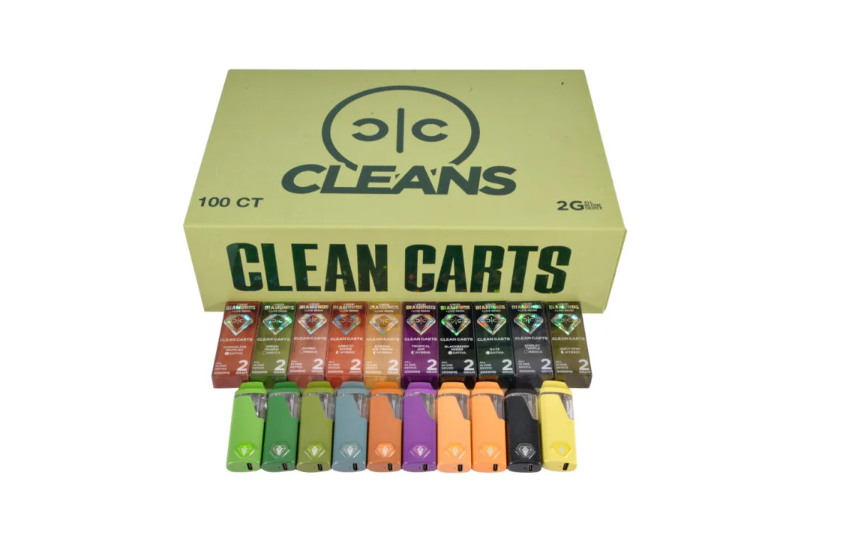
Checklist: What to Verify Before You Buy
Begin with identification and match-up checks. Confirm that the product name, device type, and any label information you see online align with what’s shown on the package or listing images. If the naming format looks inconsistent across sources, Clean carts disposable treat it as a signal to investigate further instead of assuming it’s the same item. A disposable product is meant to be straightforward, so your purchase should feel clear from the start.
Next, review the product documentation that accompanies the item. Look for labeling that explains what’s inside, how it’s intended to be used, and any relevant testing references provided by the brand or seller. Avoid relying only on promotional language, and instead focus on what’s observable and documented. A good checklist includes “I can point to the information” rather than “I heard it’s good,” because clarity is what protects your decision-making.
Understanding Device Basics and Component Clues
Disposable devices combine multiple parts into a single ready-to-use format, so it helps to know what you’re looking for. Check whether the product listing describes the device’s core components at a consumer level, such as the cartridge portion and the power system that supports operation. Even when you can’t inspect internals directly, the way information is presented can still indicate transparency. Clear descriptions typically make it easier to understand what you’re buying and what to expect from the format.
You should also consider how packaging and presentation communicate usability. For example, does the product information indicate how the device is handled, stored, or kept protected until use? Are there visible cues—like included labeling or printed identifiers—that support authenticity checks? If the listing emphasizes “simplicity” without giving any supporting detail, that’s when you should slow down and compare with other options. The best disposable purchases feel easy because the details are organized, not because they’re vague.
Reading Labels and Testing Information Without Guessing
Labels and lab-related information matter because they help you separate marketing from verifiable details. When reviewing a listing, focus on what can be traced to the product itself, including how batch or lot identification is displayed when available. If a brand provides third-party testing references, look for the presence of the information and whether it appears consistent with the product labeling. A checklist mindset works well here: you’re not trying to interpret everything from scratch, but you are checking whether the product information is complete enough to be meaningful.
Be careful with claims that are not supported by accessible documentation. You don’t need to become a chemist to spot gaps—if testing references are missing, unclear, or disconnected from the item being sold, consider that a red flag for your evaluation. Instead, prioritize listings that explain what information is included, how it relates to the device, and where it can be reviewed.
Authenticity and Packaging Checks That Reduce Risk
Authenticity isn’t just about brand trust—it’s about whether the product details “fit” together. Use a checklist to compare the product name, packaging visuals, and any identifiers shown across the brand and seller pages. If you receive the item, inspect whether labels and printed text match what you expected from the listing, including typography, placement, and any visible identifiers. When mismatches occur, pause and treat the discrepancy as an important signal rather than a minor detail.
Packaging should also support safe handling and clear consumer use. Look for evidence that the product is packaged in a way that preserves the device until it’s ready to be used, with labels that are legible and not misleading. If the listing is missing basic packaging cues, it can be harder to confirm you’re getting the intended item. Your authenticity checklist should include the question: “Can I reasonably connect the product I’m seeing online to the product I would receive?” When the answer is unclear, it’s worth taking extra steps before purchasing.
Conclusion
Choosing a disposable vaporizer becomes easier when you approach it like a checklist rather than a guess. This approach helps you compare options more fairly and avoid decisions based purely on impressions. Use your final checklist pass to ensure nothing important is missing: product identifiers match, labeling is understandable, and the information you rely on is actually provided. When you keep your research structured, you spend less time second-guessing and more time selecting the option that’s best aligned with the details you can verify. Responsible, informed shopping is the point—especially when the goal is a clean, consistent disposable experience.