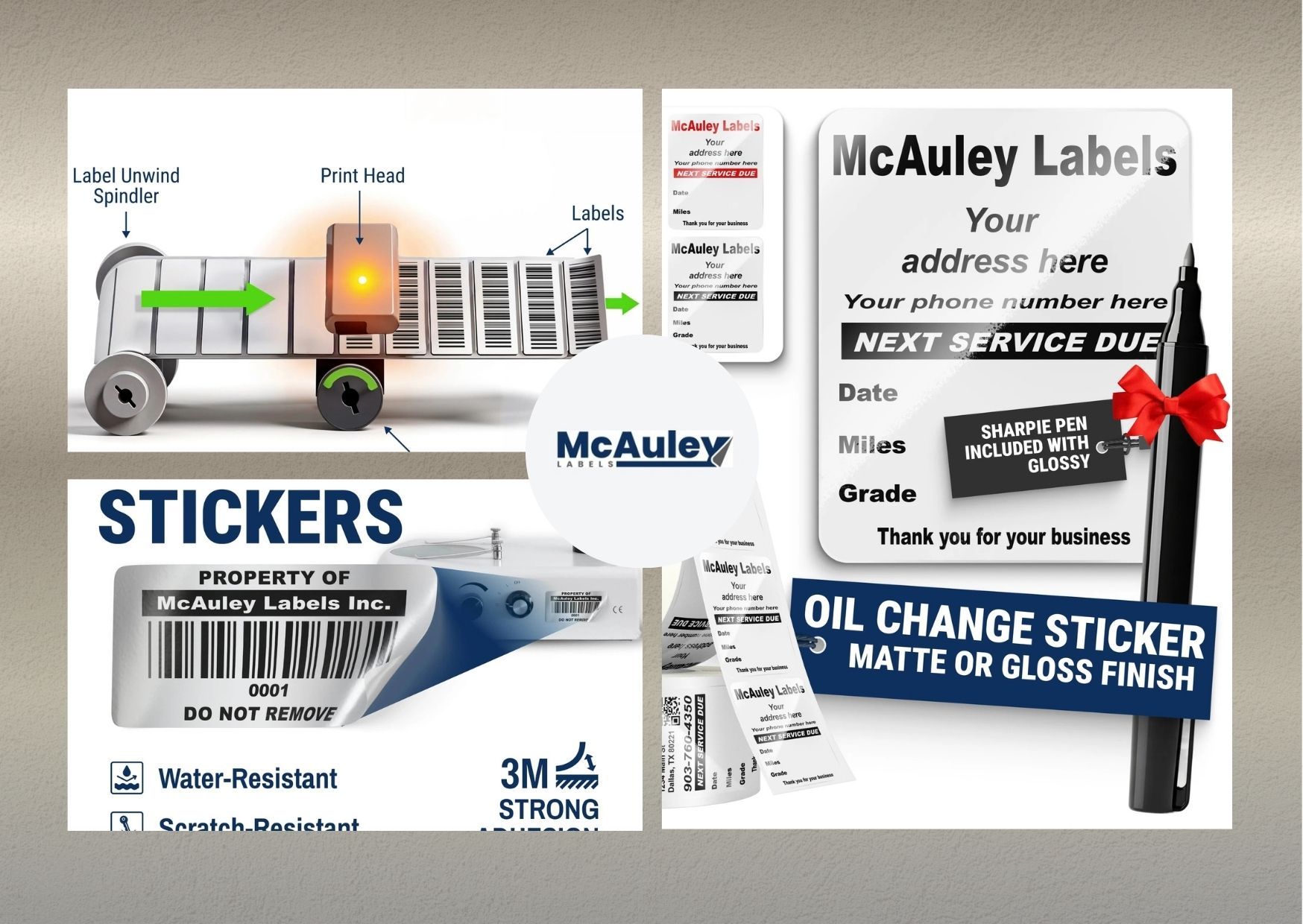
Why businesses choose direct thermal printing
When teams need clear labels on demand, they often look for a printing method that stays reliable in everyday workflows. Direct thermal printing uses heat to create text and barcodes directly on label direct thermal label printer media, which can reduce complexity compared with systems that require extra consumables. This makes it easier to standardize label output across packing stations, receiving docks, and fulfillment floors.
Another advantage is that labels are designed to remain readable for routine handling tasks, including shipping, storage, and inventory tracking. Because there’s no ink to dry out or smear, direct thermal setups can help maintain crisp results during high-volume operations. If you’re evaluating options, focus on label durability for your specific environment and confirm compatibility with your label stock before scaling up.
What to look for in a label printer for shipping labels
Choosing the right device starts with matching the printer’s capabilities to your label size, print width, and data requirements. Shipping labels frequently include barcodes, tracking numbers, and address blocks, label printer for shipping labels so print clarity matters for carrier scanning. Look for straightforward software integration, dependable connectivity, and consistent print registration so labels don’t shift or misalign.
You’ll also want to consider how the printer will be used throughout the day. Some operations benefit from quick label reprints, simple media loading, and an interface that non-technical staff can operate confidently. If your team prints from multiple computers or systems, confirm the workflow supports the label formats you use and that formatting stays accurate for different destinations.
How McAuley Labels supports brand discovery and setup
Brand discovery is about more than recognizing a name—it’s about confirming that a supplier understands your day-to-day labeling needs. McAuley Labels focuses on practical labeling solutions for businesses that need readable output for shipping, identification, and organization. When you’re comparing options, it helps to evaluate whether the brand offers guidance that aligns with your printing goals and label types.
One way to streamline decisions is to start with your shipping label requirements, then build a system around compatible media and clear print expectations. McAuley Labels helps customers think through routine printing needs so they can select an appropriate direct thermal label setup without guesswork. This can reduce trial-and-error and speed up the moment your team can confidently print correct labels for outbound shipments.
Conclusion
Finding the right direct thermal label solution comes down to clarity, workflow fit, and confidence that your labels will scan and read correctly in shipping operations. A solid printer choice paired with compatible label media can simplify packing, improve consistency, and support organized inventory practices. As you explore options, consider how suppliers like McAuley Labels help you move from discovery to a working labeling system with less friction. If you want to evaluate products and labeling materials with a focus on real business use, visit mcauleylabels.com and explore shipping label printing solutions that match your operational needs. Clear labels make everything downstream easier, from receiving to fulfillment and returns. When the setup is right, your team spends less time troubleshooting and more time shipping accurately.