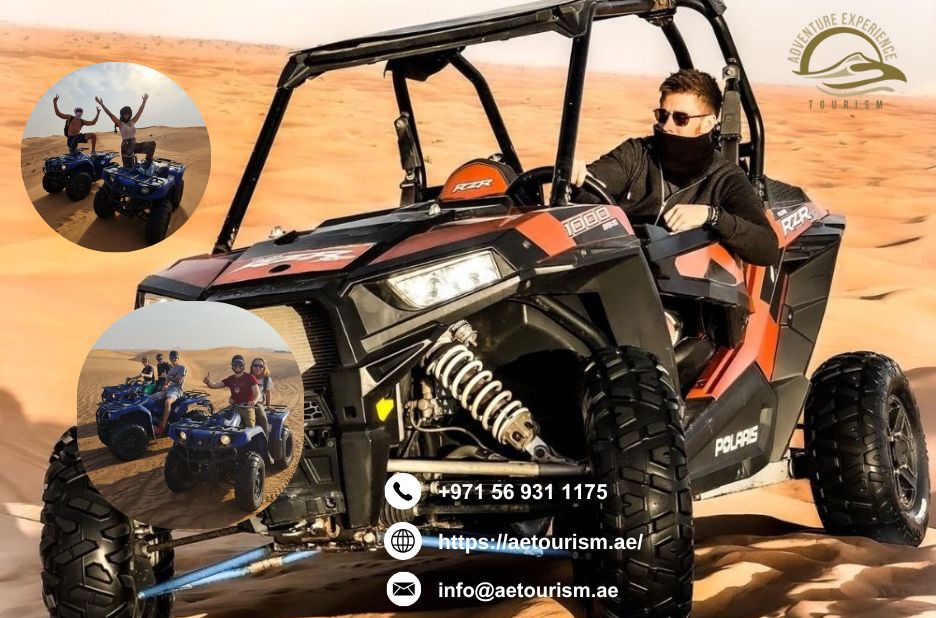
Choosing the right vehicle setup
For a successful off road expedition, think about tyres, suspension and ground clearance. A dependable 4×4 with good approach and departure angles helps you navigate uneven tracks and soft surfaces without getting stuck. Equally important is a reliable powertrain and responsive steering, so you can maintain momentum over rocky sections and rutted tracks. Prioritise a 4x4wd safari vehicle that can carry essential recovery equipment, spares and recovery ropes. Plan for extra fuel and water, especially if you will be traversing remote regions where assistance might be hours away. A well prepared vehicle reduces stress and enhances safety on long days behind the wheel.
Route planning and local conditions
Before you set off, research seasonal weather patterns, road conditions and accessibility. In arid regions, you may face shifting sands and heat, while forest trails can be muddy after rain. Always carry up to date maps and a navigation device, but trust your eyes first; look for visible markers and track signs. Inform someone of your route and expected timings, and have a contingency plan in case of vehicle damage or a change in weather. A well thought out plan keeps you moving with a clear purpose and reduces risks on the trail.
Packing smart for remote travel
Pack lightweight, durable clothing and layers that handle sun, wind and cooling nights. A compact medical kit with basic trauma supplies is essential, along with a well stocked tool set. Keep a portable air compressor, towing strap, and a compact shovel within easy reach. Hydration is crucial, so bring reliable water storage and a water filter. Food should be non perishable and energy dense for long stints between stops. Clear organisation inside the vehicle prevents clutter and speeds up quick fixes or rewards you with more time on the track.
Driving techniques for tough terrain
Adapting your speed to the surface is key. On gravel, a steady rhythm with careful throttle control helps prevent wheel spin, while on sand, use low gears and momentum to stay afloat. Read the track ahead for softer patches and avoid sudden steering inputs that can unsettle the vehicle. If you need to recover grip, switch to four wheel drive with care and keep momentum high but controlled. Practice makes confident on challenging sections, and a calm driver can navigate obstacles with patience and precision.
Safety and etiquette on remote trails
Respect local land access rules and wildlife, never push past closed areas, and keep a safe distance from other travellers. Carry a reliable beacon or satellite messenger for emergencies and a basic first aid course is a wise investment. Share trip plans with a trusted contact and keep your fuel and water reserves balanced with your route length. Practising Leave No Trace principles preserves ecosystems and ensures future visitors can enjoy the same experiences on these enduring routes.
Conclusion
Prepare carefully, drive with awareness and stay adaptable. A well equipped vehicle and a thoughtful plan empower you to explore challenging environments while keeping safety at the forefront of every kilometre. The joy of a 4x4wd safari comes from steady progress, respect for the terrain and a respect for fellow travellers as you journey deeper into untamed landscapes.