
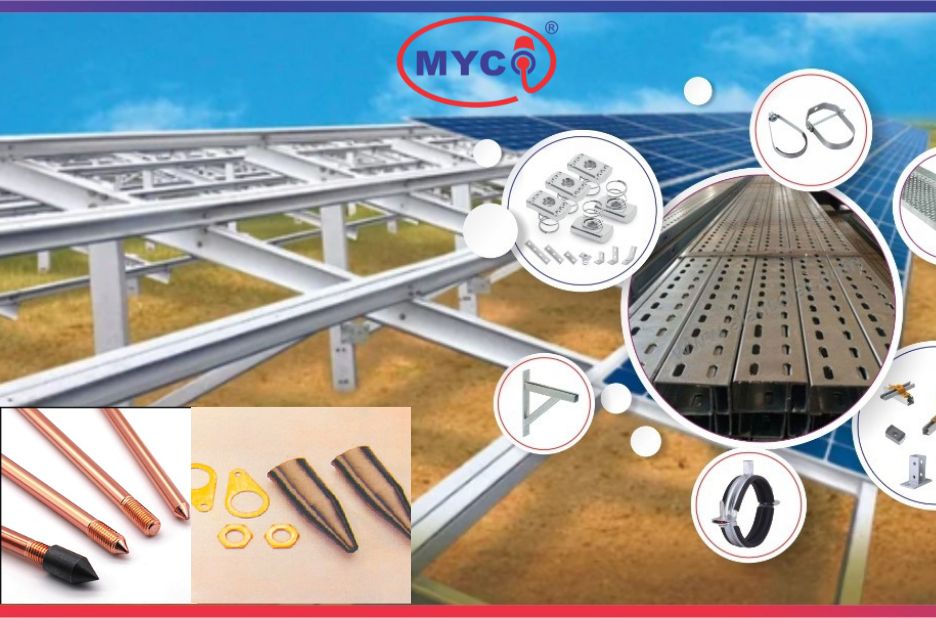
Why choose a metal bonded option
A Copper Bonded Ground Rod offers a durable path to electrical grounding with enhanced corrosion resistance and longevity. This type of rod features a solid steel core coated with a thick layer of copper, creating a conductive surface that withstands soil chemistry, moisture, and temperature fluctuations. For professionals, the Copper Bonded Ground Rod longevity translates to fewer replacements and better system reliability. It is important to verify the coating thickness and manufacturer specifications to ensure the rod meets local electrical codes and project needs. Proper installation technique is essential for optimal performance and safety.
Installation tips and best practices
Before driving the rod, check the site for underground utilities and mark the perimeter to avoid accidental damage. Use a clean, dedicated hammering tool and avoid bending the rod near the tip, which can compromise the copper coating. Drive it to the required depth according to the local code, typically with a length that reaches moisture-rich soil for lower resistance. After installation, perform a continuity test and verify impedance measurements against the project standards to confirm a solid ground connection.
Performance factors to consider
Soil resistivity, moisture content, and temperature all influence grounding effectiveness. A Copper Bonded Ground Rod tends to perform well in moderately aggressive environments due to its copper surface. In dry or rocky soils, deeper placement or supplementary grounding electrodes may be necessary to achieve the target resistance. Always match rod length, diameter, and coating to the specific electrical system requirements and local regulations for a compliant solution.
Maintenance and longevity expectations
Maintenance for copper bonded options is generally minimal, focusing on periodic inspections for physical damage and corrosion at connection points. Clean terminations and ensure clamps remain tight to preserve low resistance paths. Over time, natural wear and soil conditions can influence measurements, so schedule routine testing as part of a broader electrical integrity program. Choosing reputable brands and proper installation practices helps maximize life span and performance consistency.
Conclusion
Selecting the right grounding rod is a practical step toward system safety and reliability. A Copper Bonded Ground Rod combines strong mechanical properties with a durable copper surface to resist corrosion and maintain conductivity over years of service. Verify coating standards, confirm installation depth, and conduct testing to meet local code requirements. Visit Myco Group for more guidance on compatible components and best practices in electrical grounding to support your project needs.