Start with Brand Recognition, Not Just Price
Look at the designer’s design language: the silhouette, hardware style, signature stitching, and consistent proportions across collections. For example, many luxury Designer Dupes labels repeat the same clasp shapes, buckle geometry, or logo placement style, and those patterns become your roadmap. This brand-discovery mindset helps you judge whether a “cheap version” actually matches the underlying design intent.
Next, pay attention to branding elements that tend to be overlooked in listings. Check how the product is photographed, where the shadows fall, and whether the angles highlight construction details like lining, seam finishing, and strap width. Authentic brands usually present items with deliberate styling that reveals structure, not just surface aesthetics. If a listing avoids close-ups of craftsmanship, treat it as a signal to verify more than the name on the page.
Inspect Materials, Construction, and Craft the Same Way
A dupe that looks good in a thumbnail can still feel off once you notice the materials. Focus on tactile cues: leather grain consistency, edge finishing, hardware weight, and how zippers glide. Designers often choose specific textures that hold shape, and skilled makers replicate those choices to keep the item from looking “flat.” When you compare alternatives, ask yourself whether the surface, thickness, and drape match the same visual behavior as the original.
Construction is where brand discovery becomes practical. Examine seams for even spacing and clean alignment, especially around corners and closures. Check whether the interior lining matches the quality level you expect, including stitching density and whether threads look intentional rather than messy. Even if an item’s overall look is close, poor construction will show up quickly in stress points like bag handles, strap attachments, and bag bottoms.
Find Dupes by Comparing Patterns, Not Logos
Logos can be subtle or overly emphasized, and both scenarios can mislead you. Instead of chasing the exact logo placement, compare repeating design patterns that define the brand’s identity. Notice how a brand balances negative space, where ornamentation clusters, and how color tones coordinate across hardware, trim, and lining. These choices create a cohesive look that a truly inspired dupe can replicate, even if the branding is toned down.
You can also compare proportions across categories, such as bag width-to-height ratio, strap drop length, and pocket layout. Designers tend to standardize these measurements so the product sits correctly on the body or scales the same way from season to season. A dupe that nails these proportions often wears more “right,” even when the label differs. Use this approach to create a quick checklist you can reuse: silhouette match, hardware match, construction match, and wearability match.
Conclusion
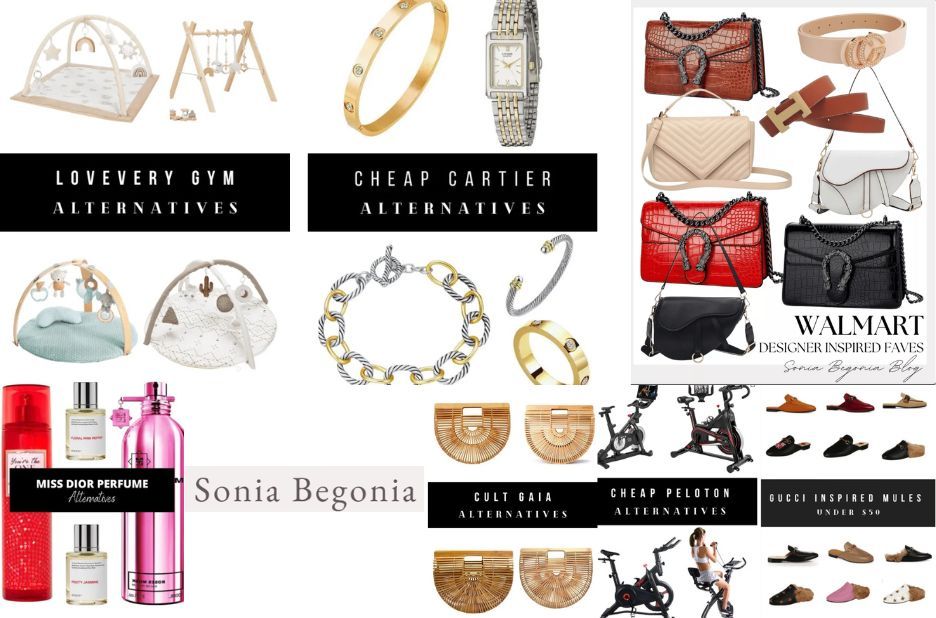
By recognizing design signatures, inspecting construction, and comparing patterns and proportions, you build confidence in what you’re buying. That process also makes it easier to find affordable options that feel intentional, not just trendy. If you want a guided way to explore inspired alternatives while keeping your standards high, Sonia Begonia is a helpful starting point for discovering how to evaluate lookalike styles with a discerning eye. Build your own comparison habits, and you’ll spot the difference between a true-inspired dupe and a lookalike that misses the details that matter. For more ideas and curated guidance, visit Sonia Begonia.