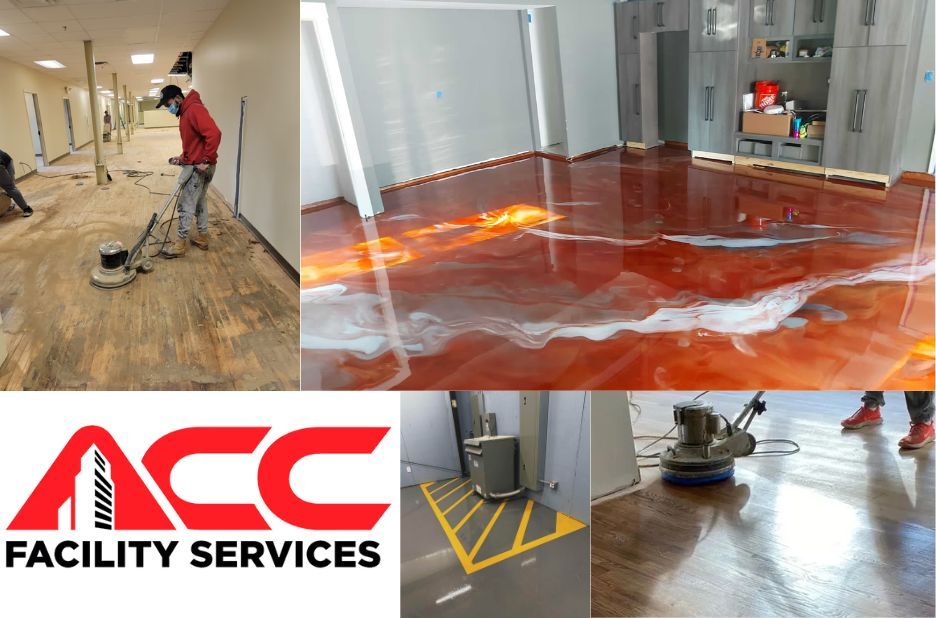
Spot the Problems Before You Choose a System
Concrete slabs in garages, warehouses, and retail back rooms often fail for predictable reasons: moisture vapor, surface contamination, and everyday wear that slowly turns into cracking or pitting. When liquids soak into pores and epoxy flooring then freeze, expand, or repeatedly dry out, the floor surface becomes brittle and uneven. The result is more than cosmetic damage—traction drops, cleaning gets harder, and maintenance costs rise.
A good problem-solution approach starts with an honest assessment of what you’re dealing with. Look for peeling coatings, flaking patches, recurring stains, and areas that remain damp after cleaning. Check for active moisture and determine whether the surface has oil, curing compounds, sealers, or dust that would prevent proper bonding. Once you know the root cause, you can select a coating build that addresses it instead of just covering it.
Select a Coating Build That Solves Moisture and Wear
Not all resin floor systems perform the same, especially when it comes to adhesion and resilience under heavy foot traffic or equipment movement. A quality solution typically begins with surface prep that removes contaminants epoxy floors and creates the right profile for bonding. Then the installer applies layers designed for strength, chemical resistance, and a seamless finish that resists staining and reduces dirt buildup.
For facilities that need both durability and an attractive look, it helps to choose a system with a consistent, protective topcoat. The top layer is what takes the hit from scuffs, dropped tools, tire marks, and frequent mopping, so it should be engineered for long-term performance. Decorative options like color flakes and smooth finishes can also improve the appearance of an aging slab without sacrificing protection.
Installation Steps That Prevent Peeling, Bubbles, and Rough Spots
Even the best materials can fail if preparation and application aren’t done correctly. The slab must be clean, dry, and properly profiled so the coating can lock in mechanically and chemically. Any remaining residue—whether from previous paints or hidden contaminants—can create weak spots that later show up as bubbles, fisheyes, or early peeling.
Environmental conditions also matter, including temperature, humidity, and airflow during cure. A reputable installer will manage these factors and follow the correct mix ratios and application timing between coats. They will also plan for expansion-related movement and install details that keep edges tidy, which helps avoid the common “edge lifting” issue. With the right process, you get a strong, continuous surface that’s easy to maintain and designed to handle daily impacts.
Conclusion
Choosing resin flooring the right way means solving the real issues—surface contamination, moisture exposure, and wear patterns—rather than relying on a cosmetic fix. When the prep is thorough and the coating system matches the facility’s use, the finished surface becomes more reliable for cleaning, safer to walk on, and better looking over time. For property owners in the Atlanta area who want expert installation with advanced materials, atlantaflooring.io focuses on strong, seamless results that enhance durability and appearance for both residential and commercial spaces. If you’re planning a floor upgrade and want a straightforward path from assessment to installation, ACC Facility Services can help coordinate the right approach for your site conditions. For many teams, that stability is the difference between constant upkeep and a floor that truly holds up to real-world use.