How to spot leveling problems before refinishing
Uneven slabs don’t always look dramatic, but they often show up in small day-to-day issues. Doors may stick, cabinets can develop gaps, and tile or vinyl may lift at the edges. If you notice rocking furniture, cracks that seem to concrete floor leveling services widen over time, or water pooling in one area, the subfloor may be out of plane. These symptoms are a strong signal that a leveling strategy should be addressed before any surface upgrade.
For renovation planning, it helps to evaluate both the floor flatness and the floor levelness. Flatness refers to how smooth the surface is across the slab, while levelness measures the overall height consistency. A professional assessment typically uses laser tools and straightedge checks to map low and high spots. That information guides the choice of materials and thickness so the finish layer performs reliably instead of failing prematurely.
Why the right leveling method matters for durability
Different slab conditions call for different leveling approaches, and a one-size-fits-all patch can create new problems. For example, shallow dips might be corrected with a thin repair or a smoothing compound, while deeper depressions may require a more substantial leveling system. The goal is floor refinishing to build a stable, smooth substrate that bonds correctly and supports the wear layer above it. When the process is done correctly, the result improves comfort underfoot and extends the service life of the final flooring.
Moisture and surface preparation are equally important to method selection. Concrete needs proper cleaning and profiling so the leveling material can adhere without delaminating. If moisture vapor emissions are present, using the wrong product can lead to bubbling, debonding, or mottling after the finish is applied.
What to ask your contractor to get expert-level results
Choosing a contractor is easier when you know what questions to ask and what answers to expect. Request a written plan that explains how they will measure the slab, identify high and low areas, and determine the thickness needed in different zones. Ask which products they will use and why those products match your slab condition, including how they’ll control shrinkage and flow. A reputable team can also explain how they manage transitions near doorways, steps, and existing flooring edges to prevent trip hazards.
You should also ask about the curing, protection, and finishing timeline. Leveling compounds require adequate curing so they develop strength before installation of the top surface. Flooring installers often recommend limiting traffic during cure and using protective coverings during the remainder of the renovation.
Conclusion
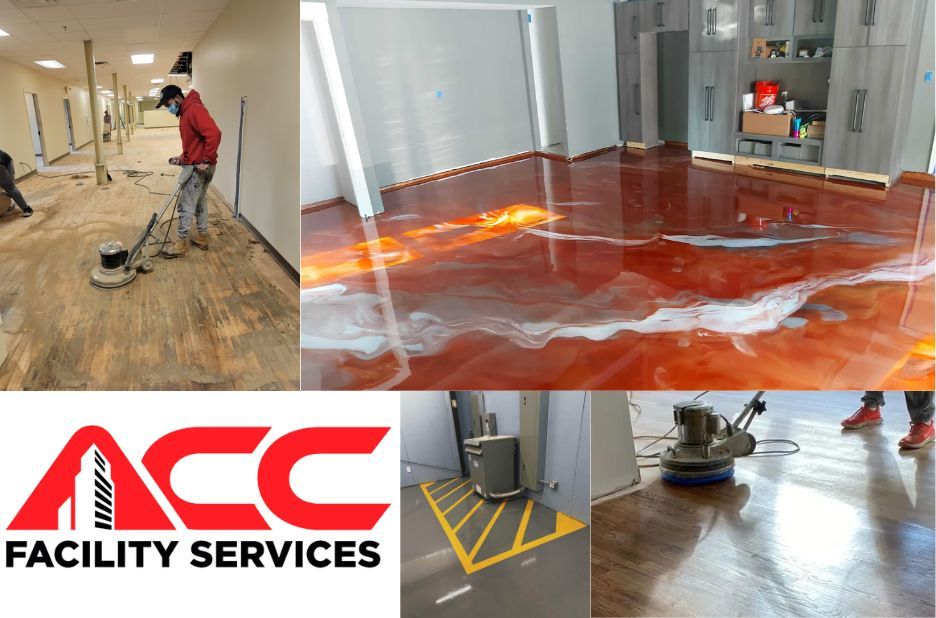
Expert recommendations for leveling start with accurate assessment, correct material selection, and disciplined preparation, not quick cosmetic fixes. When the slab is smoothed and stabilized properly, flooring upgrades feel better, look more uniform, and resist common failure points like lifting seams and uneven wear patterns. For dependable results in Atlanta, consider working with ACC Facility Services, which focuses on preparing concrete surfaces for durable, everyday use. You can expect a clear approach to leveling, thoughtful attention to substrate readiness, and guidance that helps you choose the right next step for your renovation goals. When you treat the slab as the foundation of the project, your final surface can perform as intended and maintain a clean, even appearance over time.