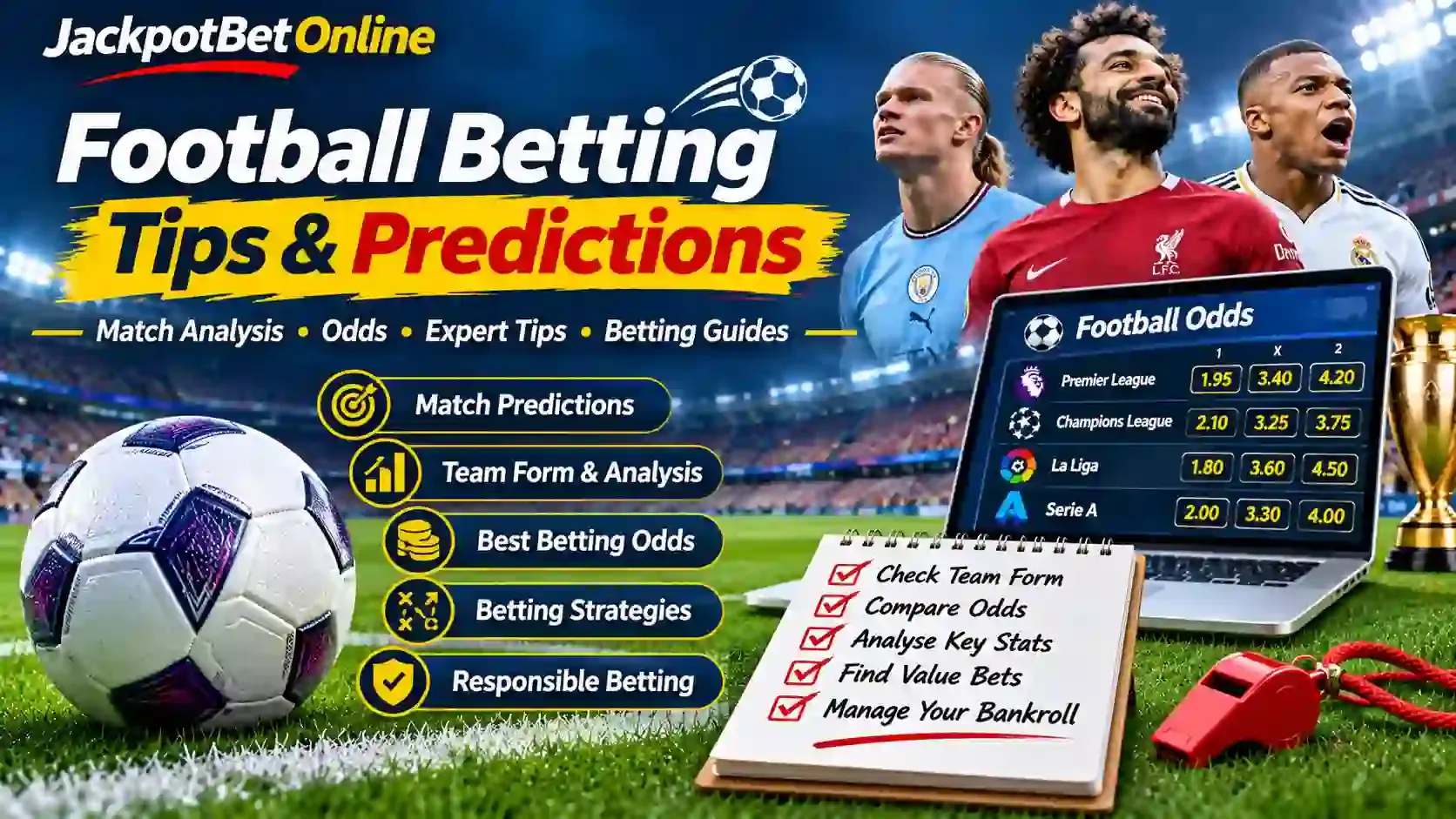
Start With the Right Market for Your Risk Level
Before you look for outcomes, decide what kind of bet you can realistically manage. Match winner markets tend to be straightforward, but they also leave less room for error if one team underperforms. If you prefer flexibility, you can explore double chance, Asian Football betting tips and predictions handicaps, or range-based lines like totals, which often reduce the impact of a single swing moment. Choosing the right market first helps you build a plan that matches your confidence, bankroll size, and tolerance for variance.
Many bettors get tempted by flashy options like correct score or accumulators without checking how those markets behave. Correct score requires a very specific game script, so odds reflect that difficulty. Accumulators can look appealing because they stack probabilities, but they also magnify the consequences of one “minor” upset. A buyer-intent approach means you should ask: what outcome would need to happen for this bet to win, and how likely is that scenario based on team style and matchup dynamics?
Use Match Evidence, Not Just Headlines
Start with recent form, but adjust for context such as opponent strength and whether those matches were played with similar tactical setups. Home and away splits matter too, because teams often show different pressing intensity, risk tolerance, and goal-scoring patterns depending on venue. When you combine these factors, you gain a clearer picture of how a match might unfold beyond the final scorelines.
Head-to-head records can also be informative, especially when they show consistent matchup advantages. However, treat them as supporting evidence rather than a guarantee, because squads change and managers update strategies. Injuries and suspensions deserve equal attention, since missing key defenders, creators, or finishers can distort both expected chances and game pace. Even when teams have similar standings, the availability of a single influential player can shift the balance toward one side or change how goals are likely to be scored.
Translate Team Tactics Into Betting Angles
To make smarter selections, think in terms of how teams try to win the ball and where they generate chances. A side that dominates midfield through controlled passing may create higher-quality looks, but it might also struggle if the opponent forces hurried clearances. If one team typically presses high, you should consider how vulnerable they are to counterattacks when the press is bypassed. Tactical matchups often explain why odds move, even when two teams appear evenly matched on paper.
Attacking patterns are equally important for goals markets. Look for whether a team relies more on central combinations or wide overloads, and whether their fullbacks contribute consistently. For both teams to score, check if the teams’ defensive structure tends to break down under transitions or set-piece pressure. Totals and over/under lines can also benefit from your understanding of tempo—some matches naturally become end-to-end, while others settle into cautious territory. When you connect tactical tendencies to likely game states, your betting decisions become more intentional.
Finally, consider how motivation and game management can influence end phases. If a team expects to protect a lead, their shot volume and risk-taking can drop late, affecting over/under outcomes. If a team must chase the game, they may open space behind their back line, which changes the value of both sides scoring and Asian handicap lines. This is where buyer intent matters: you’re not just picking a result, you’re selecting a bet that aligns with a specific match storyline you can justify.
Compare Odds and Look for Value Signals
Even a well-researched bet can underperform if you accept an unfavorable price. Bookmakers price outcomes based on probabilities, risk margins, and market sentiment, so comparing available odds can reveal whether you’re getting a better deal than the consensus. A practical approach is to review the line offered for your selected market and check whether it shifts as team news updates. If the price changes in a way that contradicts the evidence you’ve gathered, that can be a signal to reassess.
Value can also appear through market selection, not only through odds. For example, if one team is more likely to avoid a loss than win outright, a double chance or draw-no-bet structure may better match the underlying probability. If you expect moderate scoring rather than a shootout, a goals range approach can reduce volatility compared to extreme totals. This buyer-focused mindset helps you avoid chasing maximum returns while ignoring whether the bet’s win conditions actually fit the matchup profile.
When comparing markets like BTTS, totals, and handicaps, try to understand what must happen for each to cash. A bet that wins because one team scores early may lose if the match becomes tactical and low-tempo. Meanwhile, a bet that benefits from scoring opportunities across both halves can be more resilient if one team starts slowly. By mapping your reasoning to the market mechanics, you improve the odds of making decisions that hold up even when the match doesn’t follow your preferred script.
Conclusion
Making informed betting decisions starts with clarity about the market you want and the evidence you’ll rely on. Use team form with context, evaluate home and away patterns, and factor in injuries, suspensions, and tactical styles. Then translate that information into a bet structure whose win conditions match the game scenario you expect. This approach supports a smarter buying mindset and helps you avoid impulsive selections. As you explore guides and match previews from Jackpot Bet Online, focus on how analysis connects to practical betting markets and odds comparisons. Remember that football remains unpredictable, and no single tip or forecast can guarantee results. If you treat your process as research-driven and risk-aware, you can make better choices and manage expectations more effectively. Explore the content, compare prices, and keep responsible gambling at the center of every decision.