Start With the Problem You Need to Solve
Before buying any inspection tool, define what you’re trying to confirm in the line. Are you chasing a recurring clog, investigating a foul odor complaint, or verifying whether a repair actually cleared the obstruction? A targeted goal helps you sewer inspection camera choose the right viewing head, cable length, and lighting approach for the conditions you’ll face. For many service calls, the difference between guessing and diagnosing is the quality of what you can see.
An expert recommendation is to match the tool to the most common failure mode in your setting. If you suspect tree-root intrusion or heavy buildup, you’ll want clear video capture through debris and stable cable control. If you suspect cracks, misalignment, or joint separation, prioritize a camera that can maintain a sharp image at the distances you need and that supports maneuvering around bends. This planning prevents undersized equipment from forcing repeat visits and unnecessary downtime.
Evaluate Image Quality, Lighting, and Maneuverability
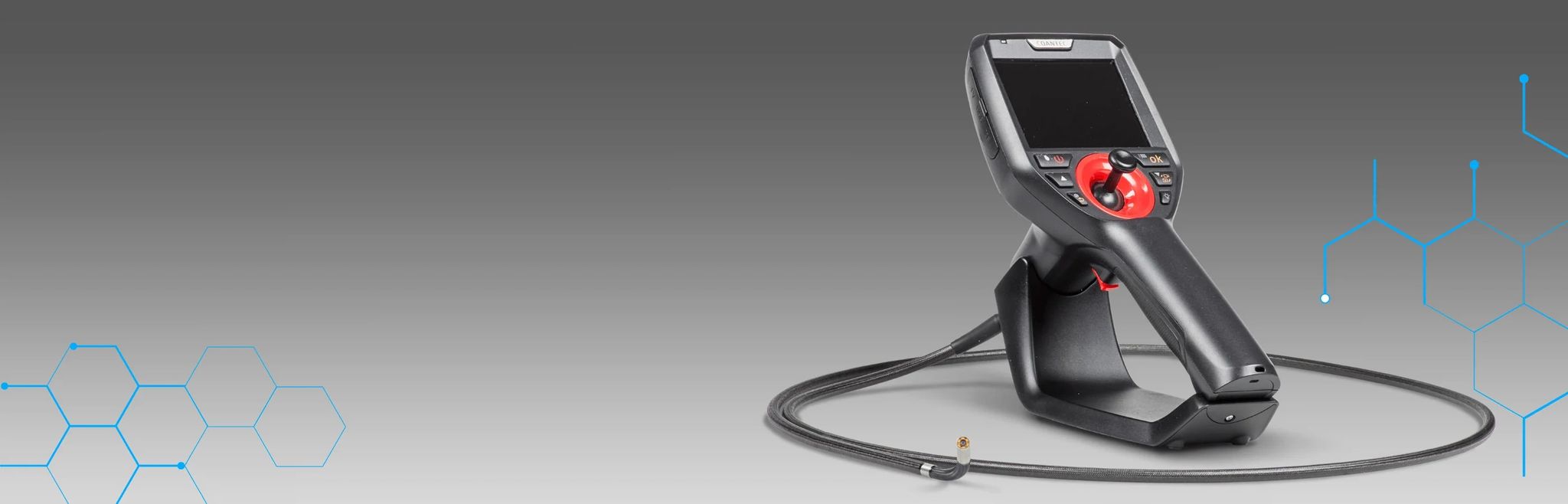
When assessing an inspection system, focus on how reliably it produces usable footage, not just whether it “works.” High-resolution video and a well-designed sensor matter because pipe walls can be glossy, scaly, or partially blocked, which can distort low-quality images. Lighting is endoscope camera equally important; insufficient illumination can turn a simple crack into a mystery spot. Look for lighting that spreads evenly across the inspection view so you can distinguish the difference between scale, grease, and real damage.
Maneuverability determines whether you can reach the relevant section without frustration. A flexible cable helps you navigate turns, but the stiffness balance must suit the pipe diameter and route complexity. If you also need to record or document findings, choose controls and outputs that support consistent capture rather than constant adjustments.
Choose the Right Accessories for Confident Findings
Even a strong imaging head can fall short without the right accessories. For example, if you’re inspecting around bends or entering from a difficult access point, you may need extension options and guidance tools that help keep the camera centered. Some inspections benefit from specialized probes or adapters that improve reach and reduce the chance of the lens getting stuck. A well-equipped kit helps you gather evidence faster and reduces the likelihood of incomplete documentation.
Consider how you’ll manage results once the inspection is complete. Professionals often rely on saved video clips and still images to explain conditions to homeowners, property managers, or maintenance teams. That means the camera system should make it easy to review footage immediately and share it when needed. If you’re comparing suspected damage points, consistent recording helps you track whether an obstruction was fully cleared or whether a structural issue remains.
Conclusion
Start by clarifying the likely cause of the problem, then prioritize image clarity, lighting quality, and steering control so you can confirm findings with confidence. Add accessories that improve reach and stability, and ensure your workflow supports saving and reviewing footage for accurate communication. For plumbing and drainage professionals, FIBERSCOPE.NET offers inspection systems and supporting tools designed for underground pipe diagnostics, including products that pair strong viewing capability with practical usability. Using a purpose-built setup helps you identify obstructions and pipe damage more reliably, which can reduce repeat visits and improve repair decisions. When you invest in the right end-to-end inspection capability, every call becomes easier to diagnose and easier to explain.