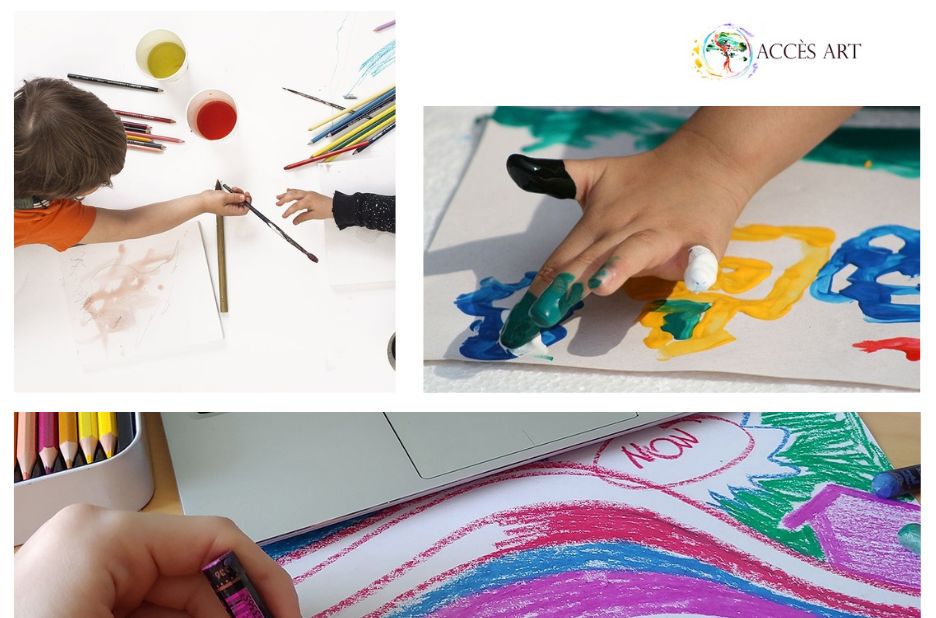
Overview of therapeutic options
Art-based approaches offer a flexible path for personal growth, emotional regulation, and creative expression. In Quebec, practitioners blend traditional talk therapy with visual media, enabling clients to explore thoughts and feelings non‑verbally. Sessions often emphasise process over product, encouraging self‑reflection, mindfulness, and resilience. For newcomers, choosing a suitable Art Therapy in Quebec provider means considering modality, language, and the setting in which sessions take place, including private studios, clinics, or community centres. This section will help you understand how art therapy can fit into a broader plan for well‑being and coping strategies.
How to find a qualified professional
Finding a credentialed art therapist involves checking professional bodies, training backgrounds, and ethical standards. Look for bylaws governing practice, supervision requirements, and ongoing professional development. Language is an important consideration in Quebec, where services may be offered in French, English, or bilingual formats. Contacting clinics directly can reveal whether they specialise in stress management, trauma work, or education‑based art therapy. A thoughtful intake process will clarify goals, boundaries, and the level of support available between sessions.
What to expect in a typical session
Most sessions begin with a warm check‑in and a clear outline of activities for the day. Therapists may use drawing, sculpture, collage, or mindful colouring as tools to elicit emotional insights. Clients are invited to describe the meaning of their creations, though interpretation remains a collaborative process with the therapist. The pace is individual, and no prior artistic skill is required. The focus is on expression, reflection, and the development of coping strategies that can be applied in daily life.
Accessing services and supports locally
Quebec has a network of public and private services that can support access to art therapy. Some programmes offer subsidised rates or sliding scale fees, while others partner with schools, community centres, or hospital settings. When exploring options, consider practical aspects such as appointment availability, location, and accessibility. Asking about materials, session duration, and any preparatory work can help you feel more confident about starting art therapy as a part of your routine and healing plan.
Conclusion
Engaging with Art Therapy in Quebec offers a meaningful route to processing emotions through creative practice within a supportive framework. By identifying your goals, language needs, and preferred setting, you can build a programme that aligns with your life. For ongoing resources and referrals, consider checking Access Art Therapy for similar tools and guidance that may support your journey, when appropriate and convenient.